Scholar Stories
Reflections on my journey as a second-year Scholar


As I step into my second year as a scholar, I find myself reflecting on just how much has changed, not only in the structure of the programme but also within myself. The first workshop of this year felt both like a homecoming and a new beginning. A reminder of how far I have come and how much further I am being asked to stretch. Looking back, in the first year much of our work felt like an excavation. We were pushed to dig deeply into our identities, our motivations, and the stories we tell ourselves about who we are and why we lead. It was deeply personal and, at times, uncomfortable work, often leaving me feeling both seen and exposed. Yet, that inner work was necessary; it laid the foundation for everything that followed and began to open parts of me I am only now starting to fully understand in this second year.
The second-year programme is less about excavating the self and more about bringing that self into contact with the world – messily, curiously, and without the comfort of easy answers. The conversations this time moved outward, toward systems, communities, and the kind of leadership that does not wait until you feel ready. We were no longer just sitting with our stories; we were being asked what we intended to do with them. And that question, simple as it sounds, landed differently when I realised I could no longer hide behind the process of "still figuring things out". At some point, you have to step forward with what you have, even if what you have still feels incomplete.
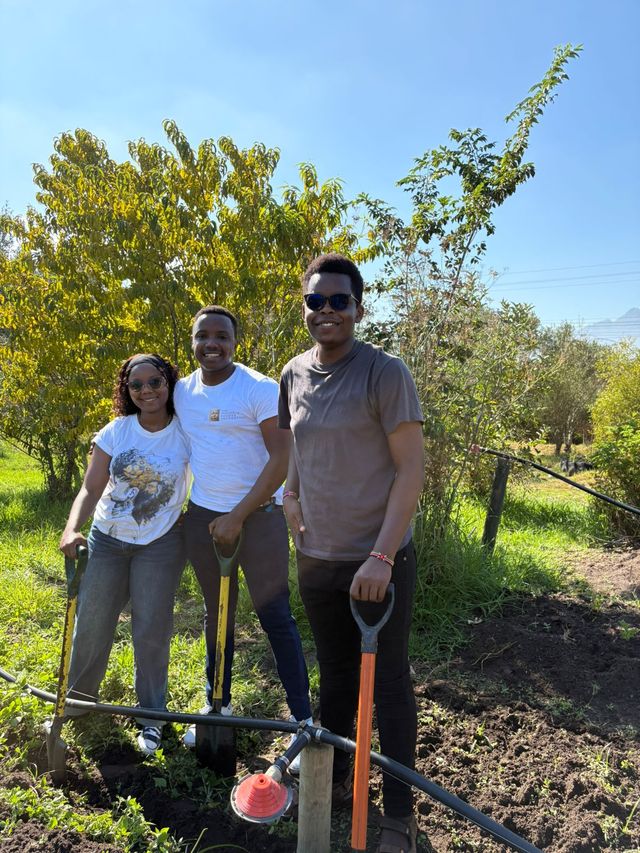
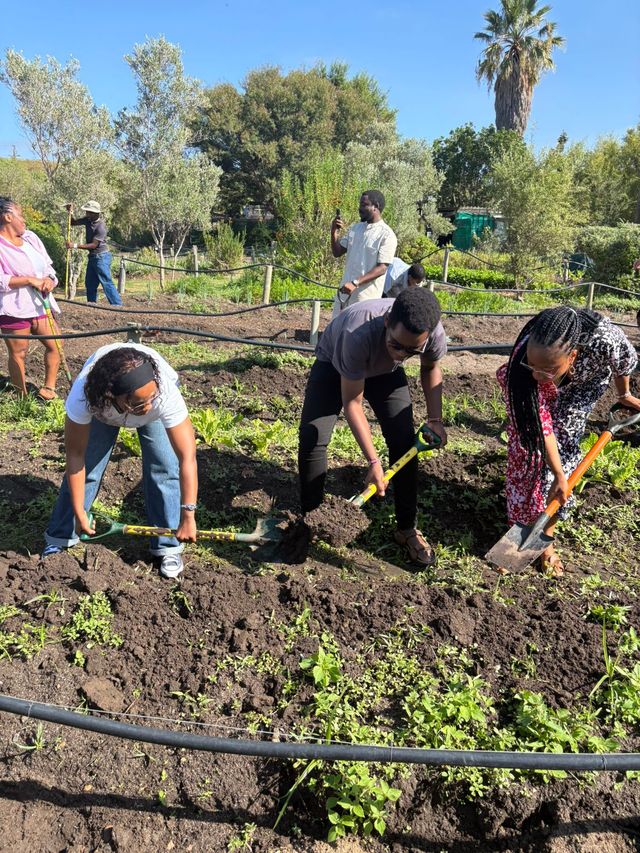
Two of our days were spent at the Sustainability Institute, a place that doesn’t just talk about alternative ways of living; it actually lives them. Being in an eco-village, working alongside people who have built something genuinely different, challenged assumptions I didn't even know I was carrying. One of the practices we engaged in was Ilima, a Xhosa tradition of communal labour rooted in Ubuntu – the understanding that I am because we are. Our hands were in the soil, doing the unglamorous, necessary work of tending to something together. No hierarchy, no expertise required, just presence and contribution. And something about that simplicity cut through a lot of the noise. You can learn and give back at the same time. You don't have to arrive as an expert to be useful. That sounds obvious until you realise how much of your identity has been built around arriving prepared.
Our engagement with our social impact partner also challenged how I think about solutions. Our theme focuses on skills development and opportunity pathways for youth in Africa, and going into those conversations, it was easy to assume we already understood the problem – unemployment, lack of access, and limited opportunities. But as we listened more, it became clear that things are not that straightforward. There are many moving parts, and sometimes the solutions we think are helpful can create other problems if they are not grounded in what people actually need. Working through that complexity as a team, with different perspectives, different instincts, and not always a clear answer, has been its own lesson in what real collaboration actually requires.
What has shifted most for me is not necessarily what I know, but how I approach what I don't know. I am learning to sit with complexity without rushing to resolve it, to listen before assuming, and to show up even when I don't feel ready. This workshop was the beginning of that practice, not the completion of it.