Alumni on the Move
The Pan-African Mindset: Lessons from Cape Town
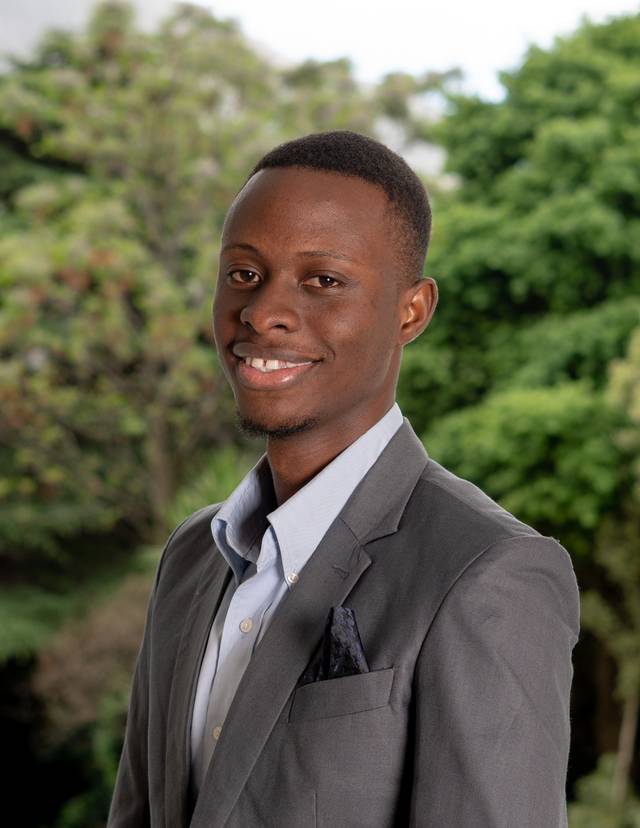
Jamada Kalinda (Uganda & University of Cape Town, 2025), recipient of the PJ Smeets Prize at the University of Cape Town, reflects on his year as a Mandela Rhodes Scholar in Cape Town and how the city reshaped his understanding of Pan-Africanism. From classrooms and conferences to shared meals, he explores how Cape Town's rich diversity offered a unique opportunity to experience the many cultures, identities and connections that make up the African continent.


You have probably seen the Instagram reels showing beautiful beaches, Table Mountain, and the rankings saying it is the most beautiful city in the world. But as a Mandela Rhodes Scholar who spent a year in Cape Town, I came to realise that Cape Town may be the most African city in Africa. I am fortunate enough to have been to a couple of African cities: Addis, Accra, Abidjan, Nairobi, Joburg, and Dakar, but never have I been to a place so rich with African diversity.
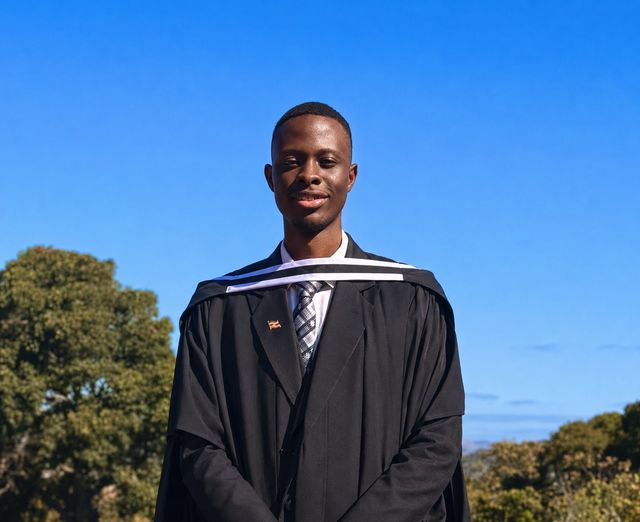
I am from Kampala, Uganda, the Pearl of Africa; you should definitely visit. In fact, you are even welcome to stay. I was an MRF scholar-in-residence in 2025, studying for a master’s in International Trade Law at the University of Cape Town (UCT). I graduated in March 2026 with distinction and the PJ Smeets Prize for an outstanding performance in the Chinese Law and Investment in Africa class. My programme at UCT was very Afrocentric, with facilitators from across the continent. Besides the Chinese investments in Africa, I also enjoyed studying regional integration and development in Africa. And if I had a penny for the number of times I heard the term “AfCFTA” last year, I would be a rich man by now.
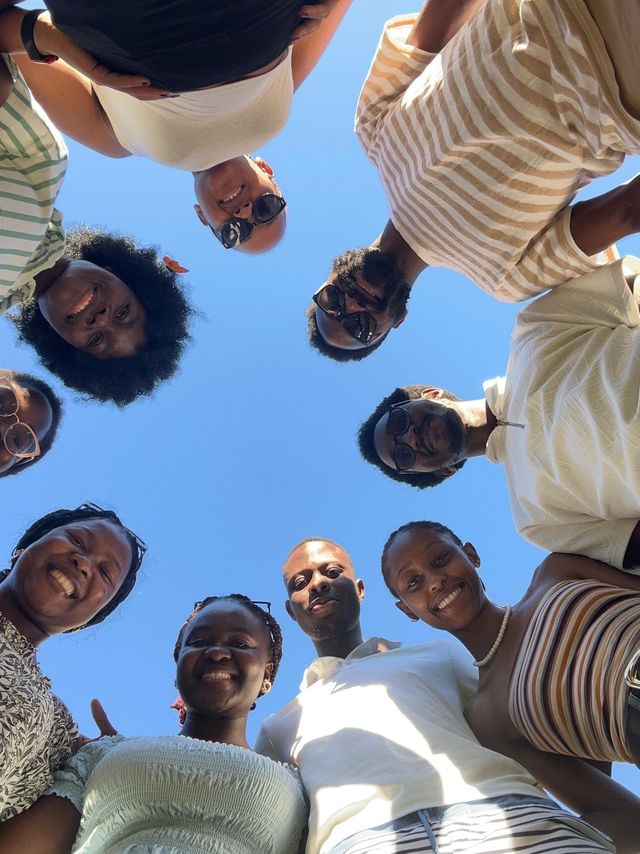
But perhaps the most exciting thing for me in the year I spent in Cape Town was the wide range of different African nationalities I met. From the classroom to the streets, I have never been more immersed in Africanness. This diversity did not simply come from my being an MRF scholar (which puts you in a room with over 50 amazing young African leaders); it was all around me, everywhere in Cape Town, which I found profoundly enriching.
For starters, my housemate was a young South African undergraduate student who unreservedly and immediately showed me around Long, Kloof and Loop Street on my very first First Thursday. Figuring out Cape Town can be tough, but it is so much easier with a friendly local who knows how to dance to Amapiano. This was the beginning of an insightful friendship that helped me learn about South African culture. Plus, no one prepares you for how similar Isizulu is to Luganda and Kiswahili, because they are all fundamentally Bantu language dialects.
On the downside, I really missed Matooke (a Ugandan staple food) in my early days. Unfortunately, I could not get that in Cape Town, but I was fortunate enough to land in a Tanzanian restaurant in Mowbray called Karibu Kitchen that basically became my home kitchen. Serving East African delicacies like Pilau, Chapati, Mandazi and more, it was always refreshing to walk into a place with so much resemblance to home. The first time I ordered from Karibu Kitchen, I genuinely said, “I am home again" (In Micheal Kiwanuka’s voice). I also enjoyed getting a taste of other African cuisines from places like Ghana Jollof in Woodstock and Ivy’s Kitchen in Observatory, where I had my first taste of chakalaka.
Above all, I met many people from different African countries at conferences, in lecture rooms and at braais, but my greatest source of Africanness was on Uber rides. I was never surprised to receive the question "So where are you from?” to which I often answered, “You get three guesses,” many times some drivers thought I was from Kenya; I got a few guessing Ghana and a couple guessing Rwanda. The conversations that followed were often hilarious; it was always fun hearing all the different fun facts people knew about Uganda and getting asked about the Ghetto Kids and Museveni. I would often follow that up with my own questions about where the person was from.
My last Uber ride heading to Cape Town International Airport was with a gentleman from Malawi, one very early morning. I was pleasantly surprised to learn that he was a fan of Ugandan music. To prove it, he played me a Ugandan song called 'Badilisha' (Swahili word for change) on his sound system. In that moment, as we drove into the stunning Cape Town dawn, it didn't feel like I was leaving a foreign city; it felt like I was leaving home.
Cape Town's unique Africanness is that it offers anyone willing to engage with different African people and cultures an opportunity to do so in one city. As an African, I see Pan-Africanism not as an abstract ideal but as a curious mindset and an acceptance of one another's identity. My experiences helped me appreciate what is distinctly Ugandan about me, while deepening my appreciation for the many African people I was lucky enough to encounter. But none of it happens without intentional effort, especially in a country where identity is a sensitive point of contention and divisions rooted in fear still run deep.